Reading: Project Atlas: Business Case for Enterprise Design System
Lectură: Studiu de caz despre Project Atlas. Citește un text detaliat despre costurile ascunse ale unui produs digital fragmentat și analizează argumentele prezentate conducerii.
Чтение: Тематическое исследование проекта Atlas. Прочитайте подробный текст о скрытых затратах фрагментированного цифрового продукта и проанализируйте аргументы, представленные руководству.
Project Atlas: Business Case for Enterprise Design System
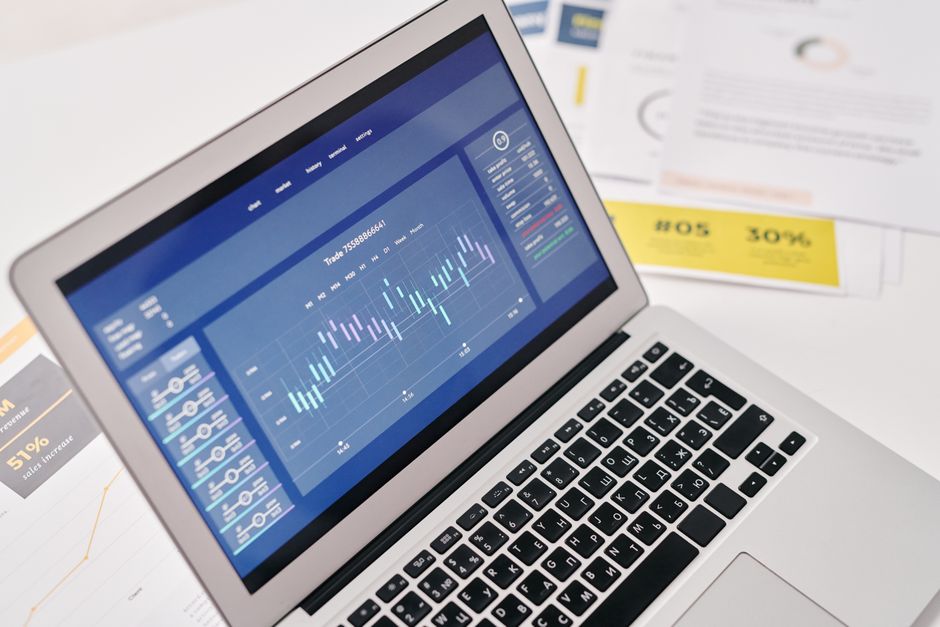
Amber opened the executive summary for Project Atlas on her laptop while sitting in a bright conference room overlooking Millennium Park in Chicago. The document outlined the current state of digital products at Apex Mutual Insurance.
For the past three years, the company had grown through rapid acquisitions, leaving behind a heavily fragmented experience across all customer touchpoints. Users encountered inconsistent UI elements whenever they switched from the auto insurance portal to the home insurance app.
Noah, the lead product manager, had spent the previous month calculating the hidden costs of this chaotic environment. His report demonstrated that teams were constantly dealing with duplicated effort, rebuilding standard date pickers and navigation bars from scratch in Figma.
Rachel, the newly appointed executive sponsor for design, reviewed the numbers with great concern. The ad hoc development style meant engineers spent thirty percent of their sprint capacity fixing layout bugs instead of delivering new features.
Suppose the executive board refused to fund a unified design system today. The company would waste over one point two million dollars next year alone just maintaining legacy codebases and disconnected component libraries.
It is high time we stopped treating design as a collection of random screens and started treating it as a scalable infrastructure, Rachel noted in the margins of the report.
To prove the concept, the design team proposed launching a three-month pilot team focused exclusively on the claims submission flow. This controlled rollout would provide a clear proof of value before scaling to other departments.
However, the most compelling argument in the entire twenty-page document was not a financial spreadsheet or a developer velocity chart. It was a direct quote from a frustrated customer in Denver.
I thought your mobile app and your desktop website belonged to two completely different insurance companies, the customer wrote in a recent feedback survey after struggling to pay her monthly premium.
That specific customer comment became the tipping point for the entire leadership team. It was as if someone had finally turned on the lights in a dark room full of moving targets and indecisive stakeholders.
Noah would rather have quit his job than continue launching products that confused loyal customers. He presented the customer quote with such passion that every single department head nodded in agreement.
Realizing they were lagging behind agile fintech competitors in Boston, the board agreed that organizational buy-in was no longer optional. They needed to formalize their component library immediately.
Rachel smiled as she drafted the final budget request for the upcoming fiscal year. It was obvious that the long overdue transformation of Apex Mutual was finally about to begin.
Read again and choose the right answer
Why did customers experience a fragmented experience at Apex Mutual Insurance?
- The company grew through rapid acquisitions.
- The designers refused to use Figma.
- The engineering team was based in London.
What did Noah's report reveal about engineering sprint capacity?
- Developers spent thirty percent of their time fixing layout bugs.
- Developers spent all their time writing unit tests.
- Developers never used standard navigation bars.
What was considered the most compelling argument in the entire business case?
- A customer quote saying she thought the app and website belonged to different companies.
- A financial spreadsheet showing millions in projected revenue.
- A developer velocity chart comparing Boston and Chicago.
What did the leadership team decide to do after reviewing the proposal?
- Formalize their component library and launch a pilot team.
- Fire all the indecisive stakeholders in the company.
- Outsource all design work to an agency in Seattle.
Sources: photo by Tiger Lily on Pexels
Despre această lecție
Acest curs de engleză B2-C1 este dedicat designerilor seniori, lead-urilor UI/UX și managerilor de design din Chișinău care lucrează cu clienți din SUA și Marea Britanie. Veți învăța să discutați despre sisteme de design și să argumentați deciziile complexe în fața conducerii.
Об этом уроке
Этот курс английского уровня B2-C1 предназначен для senior-дизайнеров, UI/UX-лидов и дизайн-менеджеров из Кишинева, которые работают с клиентами из США и Великобритании. Вы научитесь обсуждать дизайн-системы и аргументировать сложные решения перед руководством.