Grammar: Past Modals of Necessity and Criticism
Gramatică: Modal verbs la trecut. Înveți regulile gramaticale pentru a exprima necesitatea, absența ei și critica la trecut folosind structuri avansate.
Грамматика: Прошедшие модальные глаголы. Вы изучаете правила грамматики для выражения необходимости, ее отсутствия и критики в прошлом с помощью продвинутых структур.
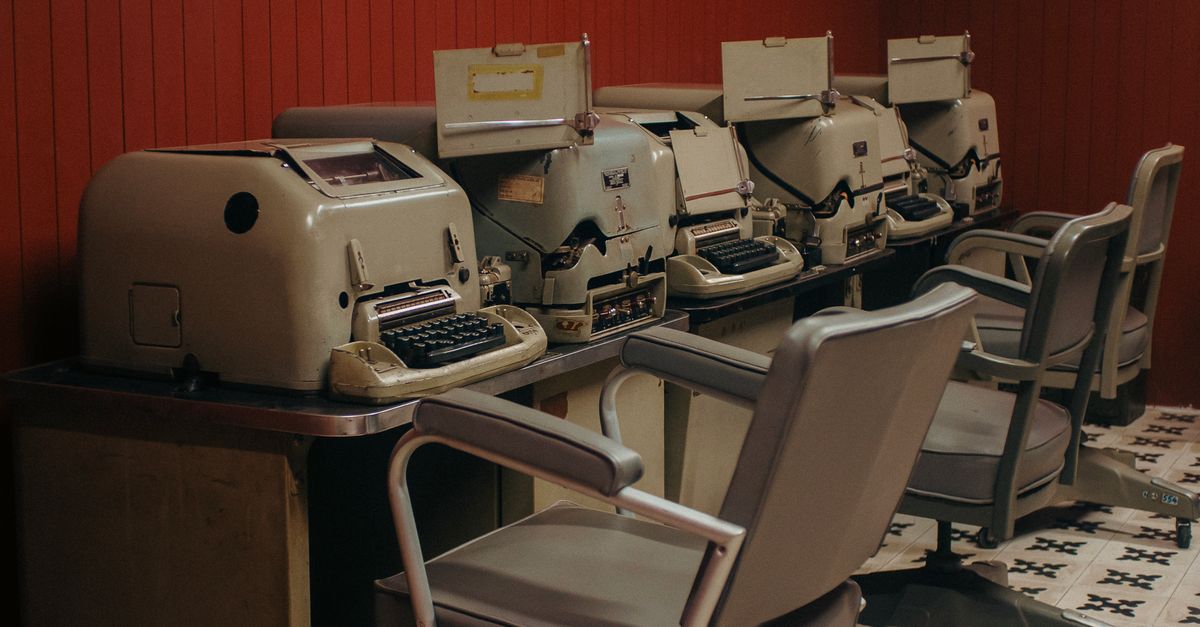
Past Modals of Necessity and Criticism
- When we talk about things in the past that were necessary, unnecessary, or that we wish had happened differently, we use specific past modals. These help us express criticism, obligation, or expectations that were or weren't met.
- Structure
- Meaning
- Example
- needn't have + past participle
- Did something, but it was unnecessary
- We needn't have hired extra waiters in Austin.
- didn't need to + infinitive
- Was not necessary (we may or may not have done it)
- Mark didn't need to pay the caterer in advance.
- could have + past participle
- Had the ability or opportunity to do something, but didn't
- You could have warned me about the uninvited guest in Boston.
- ought to have + past participle
- It was the right thing to do, but we failed to do it
- Sarah ought to have checked the seating plan in Seattle.
- was/were supposed to
- An arrangement or expectation that existed in the past
- The limousine was supposed to arrive at noon in Chicago.
- Remember
- Use 'needn't have' when an unnecessary action was actually completed.
- Use 'didn't need to' when an action was not necessary, regardless of whether it was done.
- Use 'could have' to suggest missed possibilities or alternative actions.
- Use 'ought to have' or 'should have' to express mild regret or criticism about a past action.
- Examples
- Emily needn't have worried so much about the rain in Seattle.
- They didn't need to panic when the vows went missing.
- David could have helped clean up the reception venue in Denver.
- The best man was supposed to deliver the speech in Portland.
- Common mistakes
- We didn't need to buy extra wine, but we did.
- We needn't have bought extra wine, but we did.
- She could checked the date earlier.
- She could have checked the date earlier.
Complete the sentences
- You (needn't have) ____ bought such expensive flowers for the ceremony in Philadelphia.
- Brian (ought to have) ____ informed the guests about the venue change in Baltimore.
- We (didn't need to) ____ hire a wedding planner because our families helped us.
- Jessica (could have) ____ avoided tripping over her dress if she had worn shorter heels.
- The band (was supposed to) ____ start playing at six o'clock in San Francisco.
- They (needn't have) ____ stressed about the weather because the sun came out in Miami.
Sources: photo by Tong Quan on Pexels
Despre această lecție
Descoperă cum să povestești despre evenimente neplăcute din trecut folosind structuri avansate în limba engleză. Acest curs este creat special pentru adulții care vorbesc româna sau rusa și doresc să comunice fluent în orice situație socială.
Об этом уроке
Узнайте, как рассказывать о неприятных событиях в прошлом, используя продвинутые структуры английского языка. Этот курс создан специально для взрослых, говорящих на румынском или русском языках и желающих свободно общаться в любой социальной ситуации.