Reading: Twenty Years of Releases: From Floppy Disks to Ten Deploys a Day
Lectură: Douăzeci de ani de lansări. Citește un articol despre evoluția industriei de la dischete la livrări zilnice. Acest text de pe blogul de inginerie oferă un context excelent pentru vocabularul IT.
Чтение: Двадцать лет релизов. Прочитайте статью об эволюции индустрии от дискет до ежедневных релизов. Этот текст из инженерного блога дает отличный контекст для IT-лексики.
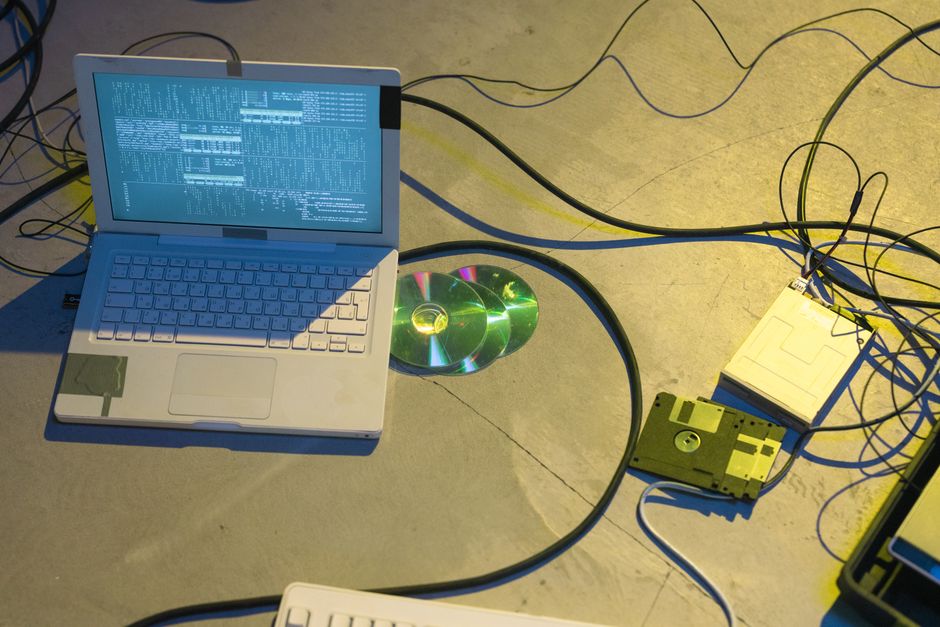
Twenty Years of Releases: From Floppy Disks to Ten Deploys a Day
Welcome to our engineering blog! Today we're celebrating twenty years of shipping software at Apex Systems in Manchester. Back in the day, our workflow looked completely different from what we're used to today. In those days, we didn't have cutting-edge cloud infrastructure or automated CI/CD pipelines. We had a noisy server room, bulky desktop machines, and endless bureaucracy that slowed down every single approval process. We used to rely on dial-up connections just to check bug reports online.
Our very first product was a massive monolith built by Natalie, Peter, and Sean in a small rented office near the city center. Whenever we needed to ship an update, we had to perform extensive manual testing and write pages of paperwork. We would spend hours burning data onto floppy disks, printing paper manuals, and driving down to the local post office to send packages to our clients across the UK.
Looking back, we often feel quite nostalgic about those chaotic early years, even though we had a lot on our plate and had to juggle multiple urgent tasks at once. Sometimes developers would stay overnight in the office just to finish an overnight build before a strict deadline, hoping there wouldn't be any nasty surprises on Monday morning.
One memorable client in Leeds received our premier version on three floppy disks. We later discovered that their office manager didn't install the software at all. Instead, because the disks had cool retro labels, they used them as coffee coasters for several years until our sales team visited them in person and spotted the disks on their desks!
Over the years, we had to restructure our engineering teams and learn how to get used to rapid technological changes. We gradually replaced our old-school waterfall methods with agile practices, trimmed down our release cycles, and learned to triage incoming bugs efficiently before they turned into severe code smells.
Today, our deployment process is fully automated. We ship updates up to ten times a day without breaking a sweat. It's safe to say we've come a long way from mailing plastic disks in cardboard envelopes.
If you're interested in joining our engineering team as we build the next generation of our products, check out our current open positions on the careers page. We promise there won't be any floppy disks involved!
Read again and choose the right answer
What did the client in Leeds do with the very first software release?
- They installed it immediately and loved it.
- They used the floppy disks as coffee coasters for years.
- They returned the disks because they were broken.
How did the team ship software updates back in the day?
- They deployed code ten times a day using automated scripts.
- They sent emails with large attachments via fast broadband.
- They burned data onto floppy disks and mailed them via the post office.
What is the team's current deployment frequency?
- Up to ten times a day.
- Once a year.
- Once every twelve months.
Who originally built the company's first monolith product?
- Alex, Nicole, and Mike.
- Natalie, Peter, and Sean.
- David and his agile coaching team.
Sources: photo by cottonbro studio on Pexels
Despre această lecție
Acest curs online de engleză pentru IT este creat special pentru profesioniștii din Moldova care lucrează cu clienți internaționali. Lecția de astăzi se concentrează pe istoria dezvoltării software și pe gramatica obiceiurilor trecute.
Об этом уроке
Этот онлайн-курс английского для IT создан специально для специалистов из Молдовы, работающих с международными клиентами. Сегодняшний урок посвящен истории разработки ПО и грамматике прошедших привычек.