Grammar: The Future in the Past
Gramatică: Timpul 'future in the past'. Înveți regulile gramaticale pentru structuri ca 'was going to' sau 'was supposed to', utile când vrei să descrii intenții trecute care s-au schimbat din cauza complicațiilor.
Грамматика: Конструкция 'future in the past'. Вы изучаете грамматические правила для таких структур, как 'was going to' или 'was supposed to', необходимых для описания прошлых планов, изменившихся из-за осложнений.
The Future in the Past
- In medical environments, plans often change rapidly. We use the 'future in the past' to describe intentions, scheduled events, or imminent actions viewed from a point of time in the past. These events often did not happen as expected because of unexpected complications.
- Structure
- Usage
- Example
- was/were going to
- An intention or plan that may or may not have happened
- We were going to start the elective surgery, but the patient developed a fever.
- was/were about to
- An action that was imminent or on the verge of happening
- The surgeon was about to make the incision when the alarm went off.
- would
- A future event viewed from the past (often a prediction)
- Dr. Smith knew that the complex case would require extra care.
- was/were supposed to
- An expectation, obligation, or scheduled plan (often unfulfilled)
- The routine procedure was supposed to take only forty minutes.
- was/were to
- A formal arrangement, destiny, or official plan
- The clinical lead was to oversee the operation, but he was called away.
- Remember
- Use 'was/were going to' to talk about past intentions or plans that were frequently interrupted.
- Use 'was/were about to' for actions that were immediately on the point of happening when something else occurred.
- Use 'would' (the past form of 'will') to describe past predictions or future events from a past perspective.
- Use 'was/were supposed to' when a scheduled event or expectation did not happen as planned.
- Use 'was/were to' for formal arrangements, official instructions, or scheduled past events.
- Examples
- The theater team was going to debrief, but another emergency arrived in the recovery room.
- We were about to induce anesthesia when the patient's heart rate spiked.
- Dr. Miller believed the new protocol would prevent such an anesthetic complication.
- Common mistakes
- The surgeon would make the incision when the patient moved.
- The surgeon was about to make the incision when the patient moved.
- We were supposed to finishing by noon yesterday.
- We were supposed to finish by noon yesterday.
Complete the sentences
- The clinical lead (be about to) ____ begin when the alarm sounded.
- We (be going to) ____ convert to open surgery, but the bleeding stopped.
- The senior resident knew the recovery room (will) ____ be full by noon.
- The theater team (be supposed to) ____ take a break after the procedure.
- The anesthesiologist (be to) ____ monitor the airway, but had to call for backup.
- I (be about to) ____ scrub in when the nurse told me the case was aborted.
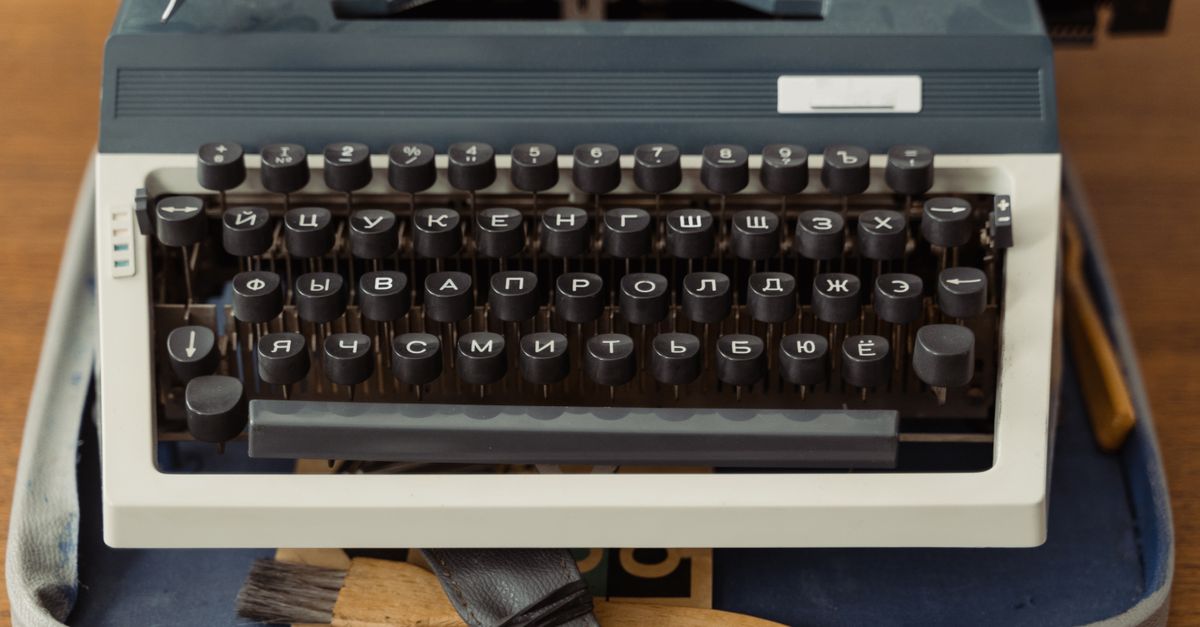
Sources: photo by Tima Miroshnichenko on Pexels
Despre această lecție
Acest curs vă ajută să navigați prin discuțiile tensionate din sala de operație și să raportați incidentele critice cu acuratețe. Veți stăpâni structurile gramaticale complexe necesare pentru a descrie deciziile luate sub presiune.
Об этом уроке
Этот курс поможет вам уверенно вести диалоги в операционной и точно сообщать об инцидентах. Вы освоите сложные грамматические структуры, необходимые для описания решений, принятых в условиях сильного стресса.