Reading: Important Security Update: What Happened Last Friday
Lectură: Actualizare de securitate. Citește un mesaj despre un incident de securitate și analizează cum echipa IT a investigat problema.
Чтение: Обновление безопасности. Прочитайте текст об инциденте безопасности и узнайте, как IT-отдел проанализировал логи сервера.
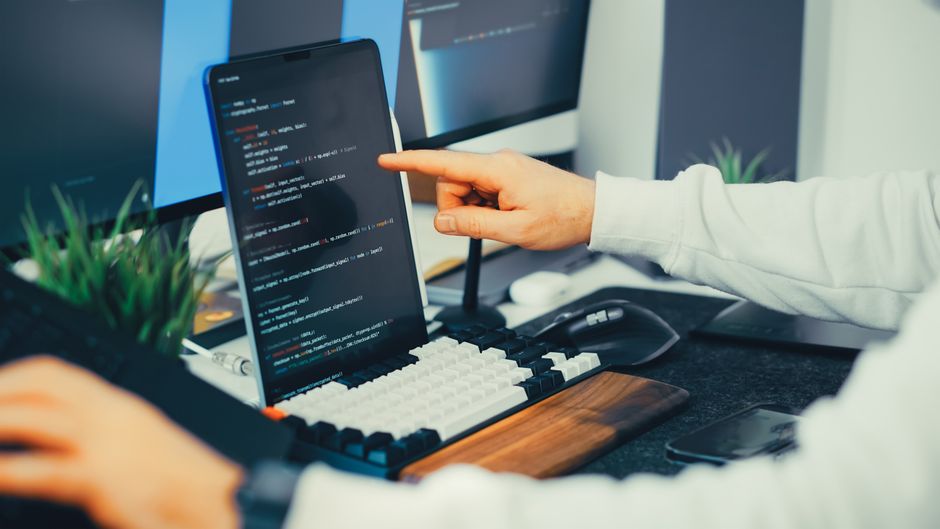
Important Security Update: What Happened Last Friday
Dear Austin Team,
Last Friday afternoon, many of you received an unexpected email with a link promising a special bonus for completing our annual feedback survey. Within minutes, hundreds of employees clicked on that link, entered their corporate credentials, and unknowingly compromised their accounts. Given the speed of the incident, our security department had to act immediately to prevent any potential data leaks across our main servers.
At first, we suspected that an external threat actor might have targeted our network using sophisticated phishing tools. Our initial log file analysis showed multiple suspicious login attempts originating from unknown IP addresses around the globe. We assumed that someone must have stolen valid admin rights or bypassed our firewall during the weekend maintenance window. We were deeply concerned that a major security breach had taken place right under our noses.
However, a closer look at the request ID logs and the audit trail revealed a very different story. The mysterious links didn't lead to a malicious external site; instead, they redirected to an internal compliance portal. The incoming traffic wasn't coming from overseas hackers at all. The timestamps matched the exact schedule of our quarterly cybersecurity drill, which had been announced in the company newsletter three weeks ago.
This means the incident couldn't have been a real cyberattack by professional criminals. It was actually a controlled simulation designed by your own security team to test our organizational resilience. We wanted to see how many people would read the warning signs before clicking on random links. Unfortunately, our findings show that human error remains our biggest vulnerability when dealing with unexpected messages.
More than forty percent of the staff entered their passwords without checking the sender's address or verifying the confirmation dialog. That is an alarmingly high number for a tech company based in Austin. While we are glad that no actual harm was done to our databases, this careless behavior could easily lead to a real disaster if a genuine threat actor ever targets us.
We strongly recommend reviewing our updated security guidelines on the intranet before the end of the week. Please remember to never share your credentials, always check the URL, and report any suspicious emails immediately to IT support. Let's make sure we keep our digital workspace safe and up to date against future threats.
Best regards,
Olivia, Tyler, and Taylor
Information Security Team
Read again and choose the right answer
What did many employees do when they received the email on Friday?
- They reported it to IT support immediately.
- They clicked the link and entered their corporate credentials.
- They deleted the email without reading it.
What did the security team initially suspect?
- That an external hacker had targeted the network.
- That the server hardware had failed completely.
- That a volunteer had tidied up the files.
What did the audit trail actually reveal?
- The emails were sent by overseas criminals.
- The traffic was part of a planned cybersecurity simulation.
- The database had been wiped accidentally.
What percentage of the staff fell for the test?
- About ten percent.
- More than forty percent.
- Seventy-five percent.
Sources: photo by Jakub Zerdzicki on Pexels
Despre această lecție
Acest curs online de engleză pentru IT intermediar este creat special pentru profesioniștii din Moldova care lucrează cu echipe internaționale. În această lecție vei analiza un incident din sistem folosind structurile avansate de deducție.
Об этом уроке
Этот онлайн-курс английского для IT уровня Intermediate создан специально для специалистов из Молдовы, работающих с международными командами. В этом уроке вы проанализируете системный инцидент, используя продвинутые структуры дедукции.