Reading: Case Study: The Four-Day Overnight Run
Lectură: Studiu de caz despre un transport nocturn. Vei citi o istorie reală despre provocările unui dispecer pe tura de noapte în Chicago. Textul ilustrează cum o cursă simplă se poate transforma într-o criză operațională.
Чтение: Кейс о ночной перевозке груза. Вы прочитаете реальную историю о трудностях ночного диспетчера в Чикаго. Текст показывает, как простой рейс может неожиданно превратиться в сложную операционную проблему.
Case Study: The Four-Day Overnight Run
Every logistics professional remembers their first career in freight, and Matt was no exception when he started out on the night desk veteran shift at our Chicago hub. Back then, he was just an entry-level coordinator handling simple dry-van drops across the Midwest. One particular Tuesday, he booked what was supposed to be a routine run from Chicago to Louisville for an industrial hardware manufacturer named Buckeye Supply. The load was to have taken exactly one day, with delivery scheduled for Wednesday morning at eight sharp.
However, everything started to unravel before the driver even cleared the terminal gates. The tractor developed a severe transmission leak, and by the time a replacement unit was assigned, the driver had run out of his hours of service. What was going to be a straightforward transit turned into a frustrating sequence of delays. Matt was about to reschedule the delivery window when a severe winter storm warning was issued for the entire state of Indiana.
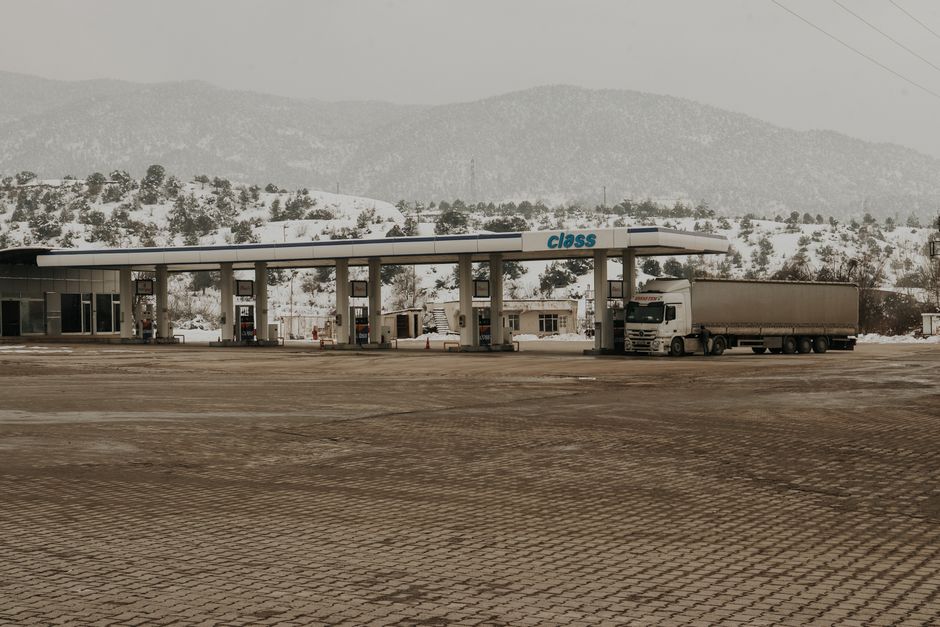
By Thursday morning, the shipment was stuck at a truck stop near Indianapolis alongside hundreds of other rigs. Matt knew he had to keep the customer in the loop, but Buckeye Supply had a reputation for aggressive carrier penalties. Every time he picked up the phone, he expected a massive customer escalation. Instead, he decided to practice radical transparency, explaining every single setback without making excuses.
Friday brought a new mechanical failure — a blown suspension airbag on the trailer that required a mobile repair unit in freezing temperatures. Matt had to scramble to find parts, coordinate with the repair vendor, and manage the updated delivery ETA with the receiver. It was a close shave with the facility's weekend operating hours, but the repair team managed to pull it off by Friday evening.
Throughout the entire ordeal, Matt kept a cool head, treating the crisis as a hard lesson in humility. He knew he had to own the outcome, no matter how bad the final metrics looked on paper. When the truck finally rolled into the Louisville yard on Saturday afternoon, four days later than planned, Matt braced himself for the worst.
He drafted a detailed incident report explaining the transmission failure, the driver's hours shortage, the weather grounding, and the suspension breakdown. He sent it directly to Taylor, the logistics director at Buckeye Supply, fully expecting a termination of their carrier contract and a hefty late fee.
To everyone's surprise, Taylor's reply arrived within twenty minutes. She didn't complain about the delay, nor did she mention the financial penalties. Instead, she thanked Matt for his relentless honesty and proactive communication throughout the chaotic week.
'In this industry,' Taylor wrote in her email, 'most carriers lie to us until the truck is already parked at our dock, leaving us scrambling to adjust our production lines. Your team told us the truth before we even had to ask. That kind of reliability is worth far more than a transit time.'
Scott, our senior operations manager, reviewed the case file during our weekly team meeting and highlighted it as an example of how accountability can turn a complete operational failure into a long-term customer relationship. The lesson from the four-day run was simple: transparency builds trust much faster than perfection ever could.
As our dispatch team continues to handle hundreds of loads every single week, we remind ourselves of Matt's experience. Equipment breaks, weather happens, and loads go sideways, but how we manage the aftermath defines our reputation in the freight market.
Read again and choose the right answer
How long was the shipment originally supposed to take?
- One day
- Two days
- Four days
What unexpected weather event made the delay even worse?
- A summer heatwave
- A winter storm warning
- A flash flood
How did Taylor from Buckeye Supply react to the four-day delay?
- She cancelled their contract
- She demanded a financial penalty
- She thanked them for their honesty
What mechanical failure happened on Friday?
- A blown suspension airbag
- A total engine failure
- A reefer unit breakdown
Sources: photo by Beyza Kaplan on Pexels
Despre această lecție
Această lecție face parte din cursul de engleză pentru logistică destinat profesioniștilor cu experiență care lucrează în companii americane. Veți învăța cum să gestionați crizele operaționale și să comunicați eficient în situații limită.
Об этом уроке
Этот урок входит в курс английского языка для логистики, созданный для опытных профессионалов, работающих в американских компаниях. Вы научитесь справляться с оперативными кризисами и уверенно общаться в нестандартных ситуациях.