Reading: Clinical History-Taking Protocol
Lectură: Protocolul clinic de anamneză. Citești ghidul oficial dintr-un spital din Marea Britanie despre cum să conduci un interviu medical complet, să stabilești o relație bună și să eviți întreruperile.
Чтение: протокол сбора клинического анамнеза. Вы читаете официальное руководство британской больницы о том, как проводить полное медицинское интервью, устанавливать контакт с пациентом и избегать перебиваний.
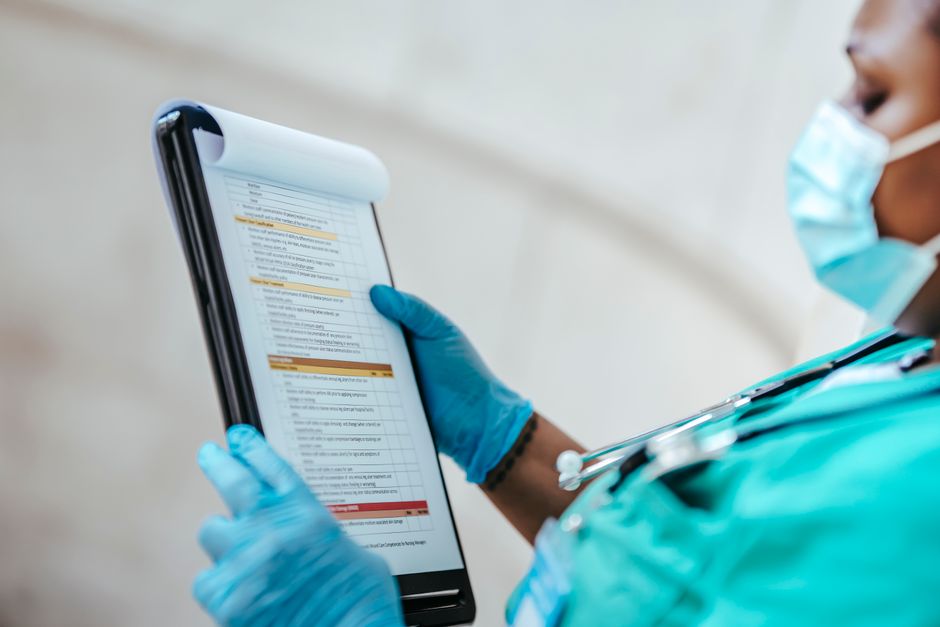
Clinical History-Taking Protocol
Welcome to Leeds General Infirmary clinical skills guide. Taking a comprehensive medical history is the foundation of safe and effective patient care. Every consultation should begin by establishing a warm and professional rapport. You want the patient to feel comfortable sharing sensitive information without fear of judgment. Always introduce yourself clearly and explain the purpose of the interview before diving into personal questions.
The presenting complaint is your starting point. Ask the patient in their own words what brings them to the clinic today. Listen carefully to every cue they provide without rushing them. Pay attention to the timing, severity, and character of any pain or discomfort. Do not interrupt unless it is strictly necessary to keep the consultation focused on urgent matters.
Next, explore the history of the presenting complaint. Clarify what makes the symptoms worse by identifying any aggravating factors. Similarly, ask about relieving factors that bring comfort or reduce the intensity of the illness. Look out for associated symptoms that might point toward a specific diagnosis across a thorough systems review.
Moving on to the past medical history, inquire about previous hospital admissions, chronic conditions, and major surgeries. You must always document a complete drug history, including prescribed medications, over-the-counter remedies, and herbal supplements. Ask directly about allergies and previous adverse reactions to drugs to ensure patient safety during treatment.
Social history provides vital context for understanding your patient's lifestyle and daily environment. Ask tactfully about their occupation, housing situation, and support network, including their next of kin. Discuss lifestyle habits such as whether they smoke, their weekly units of alcohol, and any recreational drug use, maintaining a neutral and non-judgmental tone at all times.
Family history is equally important for assessing genetic risks of cardiovascular disease, diabetes, and certain cancers. Ask if close relatives have suffered from similar conditions or died at a young age. This helps you evaluate overall risk factors and plan appropriate screening tests or preventative measures for the future.
After gathering all relevant facts, always summarize back the main points to the patient. This confirms that you understood everything correctly and gives them a chance to correct any misunderstandings. Elicit any final thoughts they might have before moving on to the physical examination stage of the consultation.
Finally, remember one crucial detail that many junior clinicians completely overlook during a busy shift in the emergency department. Always ask about pets at home. A persistent, unexplained fever might not be a rare tropical infection at all; sometimes, it is just a stubborn parrot teaching your patient new vocabulary.
Read again and choose the right answer
What should clinicians do first during a consultation according to the text?
- Establish rapport and introduce themselves clearly
- Ask about the patient's family history immediately
- Prescribe medication for the presenting complaint
What does a thorough drug history include?
- Only prescription drugs from hospital doctors
- Prescribed medications, over-the-counter remedies, and supplements
- Only recreational drugs and alcohol units
Why is it important to summarize back the main points?
- To save time and end the consultation quickly
- To confirm understanding and allow corrections
- To test the patient's memory of past events
What unexpected cause of fever is mentioned in the final paragraph?
- A stubborn parrot at home
- An allergic reaction to new carpets
- Contaminated water from the city supply
Sources: photo by Laura James on Pexels
Despre această lecție
Acest curs online de engleză medicală vă ajută să comunicați eficient cu pacienții vorbitori de limba engleză. Veți stăpâni formularea întrebărilor indirecte în anamneză și diagnostic.
Об этом уроке
Этот онлайн-курс медицинского английского помогает эффективно общаться с англоязычными пациентами. Вы освоите формулирование косвенных вопросов для сбора анамнеза и постановки диагноза.