Reading: The Launch That Wasn't
Citire: Lansarea care nu a fost. Citești un text autobiografic despre un proiect oprit în Manhattan și impactul său. Înțelege cum se folosesc termenii noi într-o narațiune profesională lungă.
Чтение: Запуск, которого не было. Вы читаете автобиографичный текст об остановленном в Манхэттене проекте и его последствиях. Поймите, как новые термины используются в длинном профессиональном повествовании.
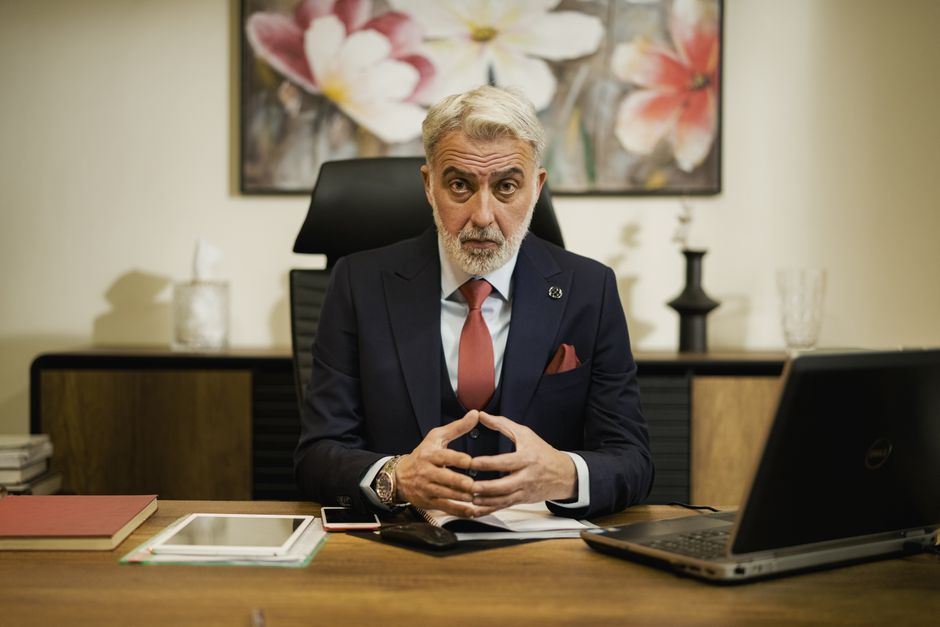
The Launch That Wasn't
As I sat at my desk in our Manhattan office last Friday, I found myself looking at an old folder labeled Project Atlas. That was the code name for the media platform we were supposed to release back in November before everything came to a sudden halt. When I inherited a team of eight talented designers during my first ninety days at the company, Atlas was already the crown jewel of our product roadmap.
We were going to unveil the new streaming interface at a massive conference in Boston, and the marketing department had already booked a prominent keynote slot for the big reveal. Every wireframe in Figma was polished to perfection, and our go-to-market plan promised a complete disruption of the digital publishing space. The executive team was fully behind us, and we felt invincible as we pushed toward the final milestone.
Then came the unexpected executive change that altered the trajectory of our entire division. A new vice president stepped in with a very different vision, and within forty-eight hours, the shelved project was officially put on ice. We were about to enter code freeze when the announcement dropped like a lead balloon. It was a terrible morale hit for designers who had spent six months pouring their hearts into every micro-interaction and responsive layout.
Management decided to pull the plug because they believed the market was shifting toward enterprise software instead of consumer media. The sunk investment was estimated at nearly two million dollars, which made the decision even harder to swallow. Breaking the news to the team was arguably the most demoralizing task I have ever faced as a design director. Nobody wanted to hear that months of rigorous prototyping were going into the digital trash bin.
However, design work rarely disappears completely when a project dies. Scott, our lead accessibility specialist, started looking for ways to salvage work from the abandoned repository. He knew that much of the foundational research we had conducted with readers in Chicago was still valuable. Matt, our senior systems architect, joined him in extracting the best components before the servers were wiped clean.
They realized that the modular card system we built could easily find a second life in our enterprise products. Instead of letting those months of effort vanish, the engineering group began to repurpose our UI library for the company's internal dashboards. It was a bittersweet realization that our creative energy hadn't been wasted after all.
Looking back at what might have been, I can see clear flaws in our original strategy, but I also see an incredible silver lining. The typography scales, contrast checker plugins, and navigation patterns we designed are now powering three separate revenue-generating applications across the company. What felt like a complete failure turned out to be the invisible backbone of our current success.
Ultimately, this experience gave our entire department the closure we needed to move forward with confidence. Design isn't just about the specific product that ships on launch day; it's about the knowledge and systems you build along the way. Every discarded screen teaches you something that you will use in the future, even if the path there looks nothing like what you were planning.
As we prepare for our next big initiative next month, I know my team carries the lessons of Project Atlas with them. They are more resilient, more pragmatic, and much better prepared for sudden strategic pivots than they were a year ago. Sometimes the best thing that can happen to a design team is surviving a cancellation together.
So whenever someone asks me about the launch that wasn't, I don't feel any sadness anymore. I just smile and point to the core interface elements running smoothly in our newest enterprise tool. Our best work survived the storm, and that is more than enough.
Read again and choose the right answer
Where was the team supposed to unveil the new streaming interface?
- At a conference in Boston
- At an office party in Manhattan
- At a tech summit in Chicago
Why did management decide to pull the plug on Project Atlas?
- The designers resigned from the company
- They believed the market was shifting toward enterprise software
- The budget ran out before wireframing started
Who helped salvage the foundational research and UI library components?
- Taylor and Matt
- Scott and Matt
- John and Julie
What happened to the UI components from the cancelled project?
- They were deleted forever
- They were sold to a competitor in Seattle
- They were repurposed for internal enterprise dashboards
Sources: photo by AMORIE SAM on Pexels
Despre această lecție
Acest curs de engleză avansată este creat special pentru designeri seniori, lead UI/UX și design managers din Chișinău care lucrează cu clienți din SUA și Marea Britanie. Lecția de astăzi explorează gramatica avansată a viitorului în trecut și vocabularul legat de lansări anulate.
Об этом уроке
Этот курс продвинутого английского создан специально для старших дизайнеров, lead UI/UX и дизайн-менеджеров из Кишинева, работающих с клиентами из США и Великобритании. Урок посвящен грамматике будущего в прошлом и лексике, связанной с отмененными запусками.