Reading: The Booking Engine Paradox: A Decade of In-House Software
Lectură: Dezvoltarea software intern. Citește un studiu de caz detaliat despre crearea unui motor de rezervări și deciziile strategice luate de lideri hotelieri.
Чтение: Собственное ПО. Прочитайте подробный кейс о создании системы бронирования и стратегических решениях, принятых руководителями отельного бизнеса.
The Booking Engine Paradox: A Decade of In-House Software
Ten years ago, Taylor and Matt faced a make-or-break decision at their boutique hotel group in London: should they buy an off-the-shelf reservation platform or build a custom solution from scratch? At the time, Scott, their chief technology officer, argued that relying on third-party suppliers created an unacceptable dependency risk.
What convinced the board to approve the project was the fact that existing software providers charged exorbitant transaction fees that eroded their operating margins. They decided to bring the entire software development process in-house, recruiting a dedicated engineering team to construct a bespoke property management platform.
Building the system required a massive capital investment, and for the first three years, the total cost of ownership far exceeded their initial budget projections. Many industry analysts warned that building software was a distraction from their core hospitality mission and that they shouldn't reinvent the wheel.
However, what started as a simple internal tool gradually evolved into a robust, high-performance reservation engine capable of handling millions of concurrent transactions seamlessly. The system proved its reliability during a massive regional travel surge in 2018, outperforming every legacy competitor in the UK market.
By 2021, other hotel chains began noticing the exceptional speed and flexibility of their booking software. What worried Scott initially was whether they had the bandwidth to support external clients without compromising their own hotel operations.
Instead of ignoring external inquiries, they launched a separate software division to offer the platform as a white-label product to independent hotels across Edinburgh and Bristol. They secured several lucrative licensing deals within the first six months of commercialisation.
Today, what began as a defensive IT project has turned into their most profitable business unit by far. The software licensing revenue now eclipses the total room revenue generated across their entire London property portfolio.
Reflecting on this unexpected journey, Taylor noted that what seemed like an unnecessary operational risk ultimately established a permanent competitive moat against larger, slower-moving hospitality conglomerates. Whether they will eventually spin off the tech division entirely remains the primary agenda item for their upcoming board meeting.
Read again and choose the right answer
Why did Taylor and Matt initially decide to build their own booking system?
- To sell software to other hotels
- Because third-party transaction fees were too high
- Because Scott forced them to do so
What was the initial financial impact during the first three years?
- Total cost of ownership exceeded budget projections
- It immediately generated millions in profit
- It cost nothing because interns built it
How did the software eventually generate new revenue?
- By charging guests extra for Wi-Fi
- By licensing it as a white-label product to other hotels
- By selling advertising space on booking pages
What does the software revenue exceed today according to the text?
- The total room revenue of their London portfolio
- The marketing budget for the next decade
- The salaries of all hotel managers combined
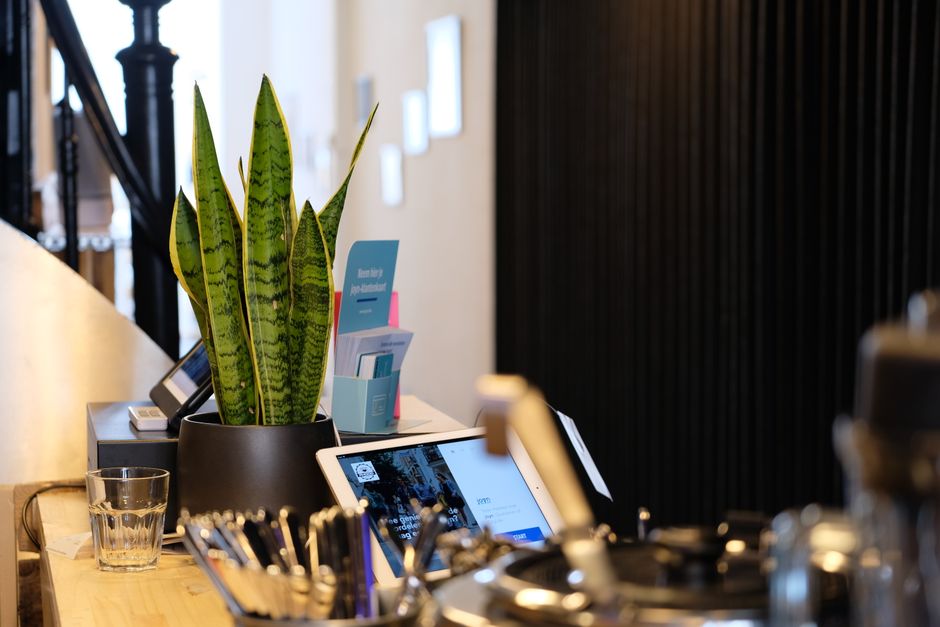
Sources: photo by Dirk De Backer on Pexels
Despre această lecție
Acest curs avansat de Business English explorează dilemele strategice corporatiste prin studii de caz realiste din SUA. Veți stăpâni structuri gramaticale complexe și vocabular executiv nativ.
Об этом уроке
Этот продвинутый курс делового английского исследует корпоративные стратегии на основе реалистичных бизнес-кейсов из США. Вы освоите сложные грамматические структуры и профессиональную лексику топ-менеджмента.