Reading: Let Them Be Bored
Lectură: Lăsați copiii să se plictisească. Citește un text interesant despre importanța plictisimii în dezvoltarea creativității copiilor. Exersează citirea și înțelegerea unui articol în limba engleză.
Чтение: Польза скуки для детей. Прочитайте познавательный текст о важности свободного времени для развития детской креативности. Развивайте навыки чтения и понимания английских текстов.
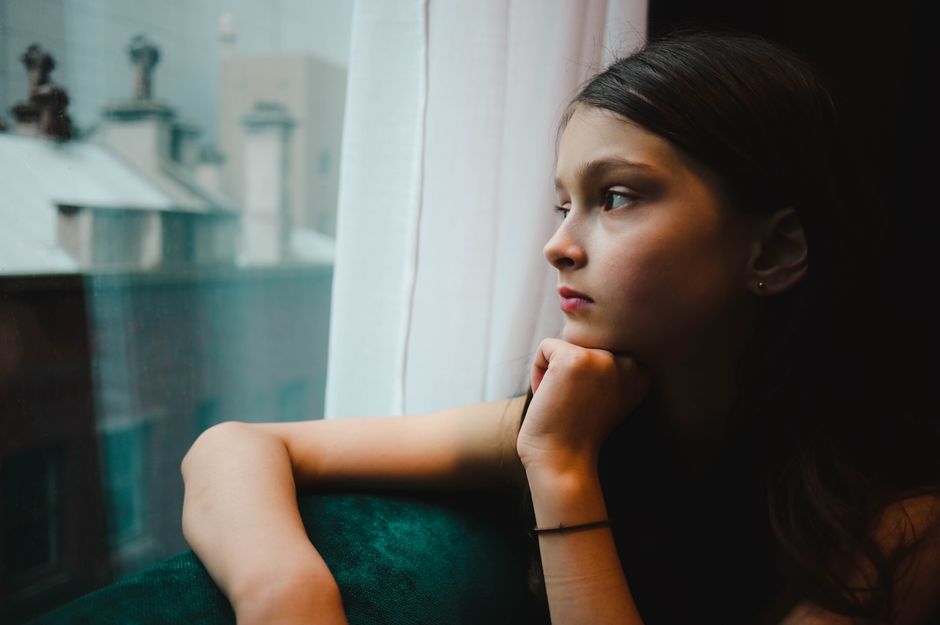
Let Them Be Bored
Paragraph one: We live in an era where every single second of a child's day must be filled with structured productivity. Parents schedule piano lessons, coding bootcamps, and soccer practices until their kids are completely exhausted. We expect children to constantly learn, achieve, and perform. However, this relentless drive to keep them busy destroys their natural creativity and inner peace. True imagination requires empty space and unbroken silence.
Paragraph two: When I visit local parks in Austin, I rarely see children just sitting on the grass watching the clouds or inventing games from nothing. Instead, they stare at tablets or beg for screen time the moment their shoes come off. Adults have grown terrified of silence, and we pass this fear directly to the younger generation. We make our children believe that doing nothing is a terrible crime against their future success.
Paragraph three: We need to allow children to experience genuine boredom without immediately offering a digital solution. When a child complains that there is nothing to do, parents often panic and rush to entertain them. This is a massive mistake. Boredom forces the brain to search for internal stimulation. It encourages kids to build forts, write silly stories, or explore the backyard. If we always rescue them from boredom, we deny them the chance to invent their own worlds.
Paragraph four: Of course, setting these boundaries isn't always easy. Bedtime battles and afternoon whining can test even the most patient mother or father. Many families experience daily shouting matches because children want more games while parents demand homework time. Yet, consistency remains the absolute key to success. If you give in once, the kids know they can wear you down with another loud tantrum tomorrow afternoon.
Paragraph five: Some overprotective adults worry that unstructured time might lead to trouble or poor choices. They read every new parenting book looking for the secret formula to raise a genius. But children don't need a CEO managing their leisure hours. They need space to breathe, fail, and figure out who they are without an audience. We should encourage independence by stepping back and letting them manage their own boredom.
Paragraph six: Looking back at my own childhood in Boston, some of my best memories came from long, incredibly dull summer afternoons. We didn't have smartphones or endless streaming channels. We just had old bicycles, some chalk, and a lot of time to kill. Those empty hours taught me how to entertain myself when nothing was happening. It was a wonderful chapter of my life that shaped who I became.
Paragraph seven: Naturally, modern life makes this much harder than it used to be. Digital distractions are everywhere, and social media companies design their apps to steal every spare moment. Parents have enough stress trying to pay bills and manage careers without feeling guilty about screen time. We shouldn't judge ourselves too harshly, but we can definitely try to reclaim a few hours of quiet peace each week.
Paragraph eight: Yet, as I write this inspiring column about the beauty of slowing down, I have to confess a rather embarrassing personal truth. I cannot stand being bored myself. Just yesterday, my internet connection went down for twenty minutes, and I panicked like a trapped animal. I paced around my apartment, checked my phone forty times, and felt my anxiety spike through the roof.
Paragraph nine: It turns out that preaching about the benefits of silence is much easier than actually practicing it in our hyper-connected modern world. We expect children to embrace quiet reflection while we adults remain utterly addicted to constant digital noise. Perhaps before we lecture our kids about putting their screens away, we need to look in the mirror and learn how to sit quietly by ourselves first.
Paragraph ten: So let's try a small experiment this weekend across Austin. Turn off the Wi-Fi for an hour, put the phones in a drawer, and see what happens. Your kids might groan at first, but give them a chance to surprise you. You might just rediscover the lost art of doing nothing together, and who knows, you might even survive the silence.
Read again and choose the right answer
What does the author say about modern children's schedules?
- They are too empty and lack direction.
- They are too full of structured activities and productivity.
- They focus entirely on outdoor sports.
According to the text, what happens when parents rescue kids from boredom?
- They deny children the chance to invent their own worlds.
- They make children study harder at school.
- They cause children to lose their smartphones.
What embarrassing confession does the author make in paragraph eight?
- She hates children's books.
- She cannot stand being bored herself and panicked when the internet went down.
- She never had any childhood memories in Boston.
What experiment does the author suggest trying over the weekend?
- Buying new tablets for all the children.
- Turning off the Wi-Fi for an hour and putting phones away.
- Taking a long trip to Boston.
Sources: photo by Daniel Jurin on Pexels
Despre această lecție
Descoperiți cum să discutați despre educația copiilor în limba engleză. Această lecție vă ajută să vă exprimați natural în orice situație socială.
Об этом уроке
Узнайте, как обсуждать воспитание детей на английском языке. Этот урок поможет вам свободно выражать свои мысли в любой социальной ситуации.