Grammar: Unreal Past: It's (high) time, would rather, as if / as though, suppose / what if
Gramatică: Unreal Past. Învață cum să folosești structuri avansate de gramatică precum 'it's high time' sau 'would rather' pentru ipoteze.
Грамматика: Unreal Past. Изучите продвинутые грамматические структуры вроде 'it's high time' и 'would rather' для выражения гипотетических ситуаций.
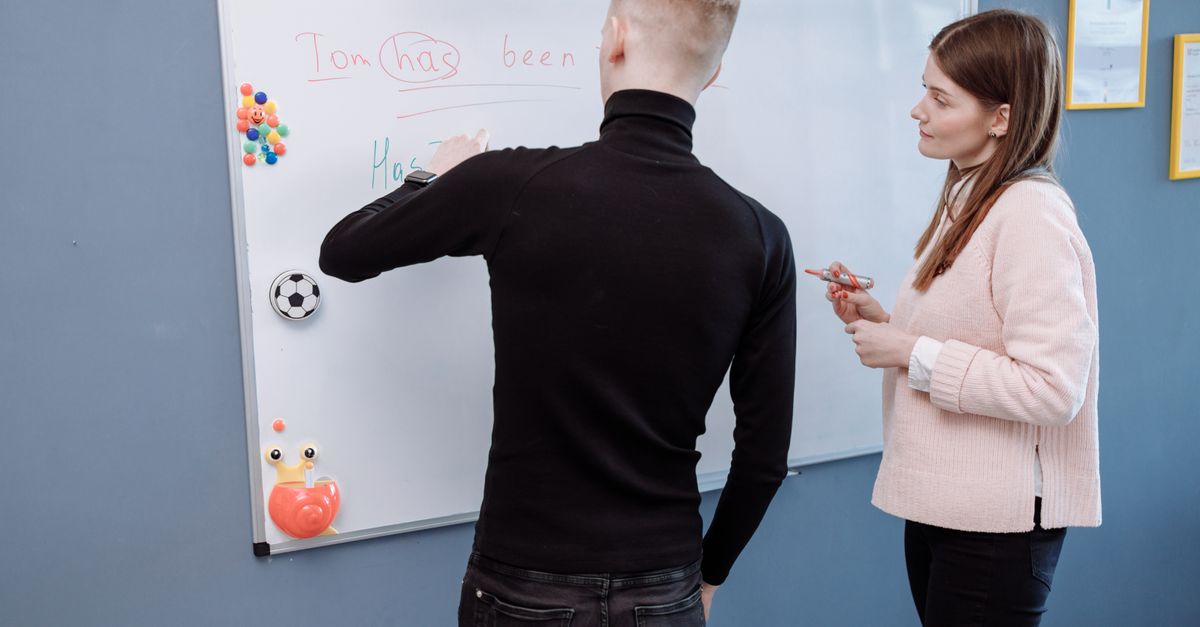
Unreal Past: It's (high) time, would rather, as if / as though, suppose / what if
- We use past tenses after certain expressions to talk about imaginary, hypothetical, or desired situations in the present or future. Even though the verb form is in the past, the meaning refers to the present or future. This structure helps us express urgency, preferences, and hypothetical scenarios with tact and nuance.
- Structure
- Pattern
- Example
- Meaning / Use
- It's (high / about) time
- It's (high) time + subject + past simple
- It's high time our team adopted a blameless post-mortem process.
- Something should happen now or is already overdue.
- would rather
- Subject + would rather + subject + past simple
- I would rather we discussed this incident openly in the sprint retro.
- Expressing a preference about another person's actions.
- as if / as though
- Subject + verb + as if / as though + past simple
- He talks as though our team never made mistakes in deployment.
- Describing an imaginary situation or untrue impression.
- suppose / what if
- Suppose / What if + subject + past simple
- Suppose we admitted our pipeline had a flaw, how would management react?
- Exploring a hypothetical condition or proposing an idea.
- Remember
- Use a past tense after 'It's (high / about) time + subject' to say that an action is urgently needed or overdue. (Do not use a present tense or would).
- Use 'would rather + subject + past simple' when you want someone else to do something in the present or future. If the subject is the same, use the bare infinitive ('I would rather stay').
- Use 'as if' or 'as though' with a past tense when you know the comparison is unreal, exaggerated, or unlikely.
- Use 'suppose' or 'what if' with a past tense to invite someone to imagine a hypothetical problem or explore a safe experiment.
- Examples
- It's high time the engineering leads addressed the fear of failure across the department.
- Rachel would rather our manager gave candid feedback in one-on-ones instead of Slack channels.
- The product owner acts as if junior engineers knew every corner of the legacy codebase.
- What if we ran a blameless retrospective for the Seattle data center outage tomorrow?
- Common mistakes
- It's high time we fix the broken deployment script.
- It's high time we fixed the broken deployment script.
- I would rather you don't dismiss his concerns during the standup.
- I would rather you didn't dismiss his concerns during the standup.
- He acts as though he owns the entire repository.
- He acts as though he owned the entire repository.
Complete the sentences
- It's high time our engineering director (realize) ____ that psychological safety directly impacts code quality.
- I would rather you (not bring up) ____ individual blame during the architecture review with the Boston team.
- The senior architect speaks as if our microservices framework (be) ____ completely invincible against failovers.
- Suppose we (allow) ____ developers to test riskier refactoring experiments in sandbox environments?
- It is about time management (stop) ____ penalizing teams whenever a release causes an unexpected rollback.
- What if Sarah (voice) ____ her doubts about the release date directly to the executive board?
Sources: photo by Thirdman on Pexels
Despre această lecție
Acest curs de engleză pentru profesioniști IT nivel upper-intermediate îmbunătățește comunicarea în echipe internaționale. Vei învăța structuri gramaticale avansate și vocabular specific pentru medii tehnice moderne.
Об этом уроке
Этот курс английского языка для IT-специалистов уровня upper-intermediate улучшает коммуникацию в международных командах. Вы изучите продвинутые грамматические структуры и специфическую лексику для современной технической среды.