Reading: How to Chair a Tumor Board: A Practical Guide for Academic Leaders
Lectură: Ghidul președintelui. Citește un ghid practic despre conducerea eficientă a comitetelor oncologice multidisciplinare. Acest text explică echilibrul delicat dintre leadershipul autoritar și consensul diplomatic.
Чтение: Руководство для лидеров. Прочитайте практическое руководство по эффективному руководству междисциплинарными онкологическими консилиумами. Текст объясняет тонкий баланс между лидерством и дипломатией.
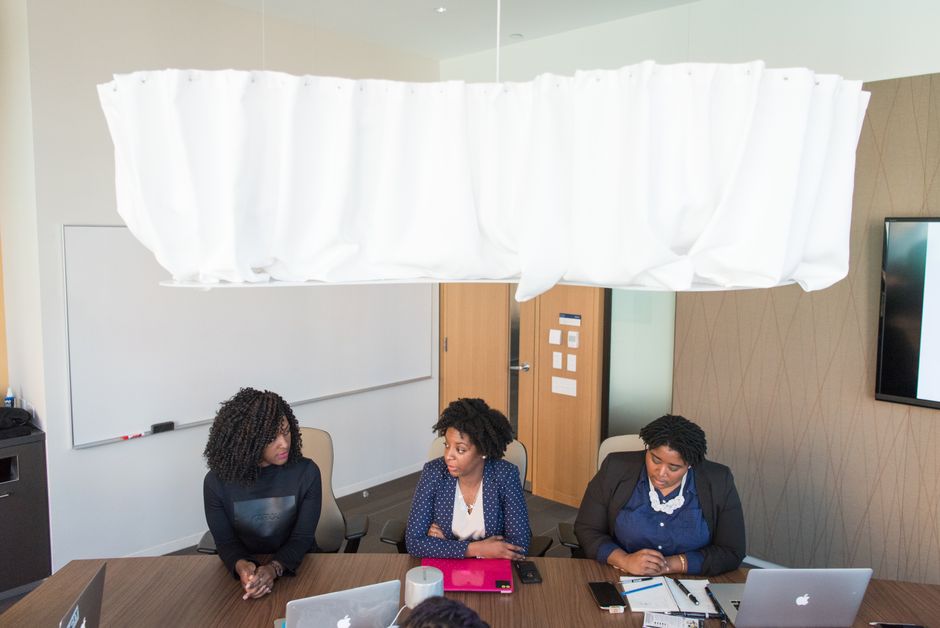
How to Chair a Tumor Board: A Practical Guide for Academic Leaders
Chairing a multidisciplinary tumor board requires a delicate balance of authoritative leadership and diplomatic consensus-building. When you step into the conference room, you aren't merely moderating a meeting; you are steering a complex medical vessel through turbulent clinical waters. Let me frame the core challenge: how do you synthesize conflicting expert opinions into a unified treatment plan within a strictly time-limited discussion?
First, master the art of framing. Never let a case presentation wander into endless minutiae. State the clinical dilemma clearly at the outset so that every specialist knows what problem needs solving. If the radiology review and the pathology review contradict each other, do not let the room get bogged down in technical bickering.
Second, learn when to park an issue. When a surgeon and an oncologist start arguing about whether a lesion is resectable or unresectable before staging is even complete, you must intervene. Politely interrupt, acknowledge the validity of the point, and state that you are going to park that specific concern until the molecular profile is reviewed.
Third, actively guide the participants toward where you are converging. A good chair constantly summarizes the discussion. By asking where the group consensus lies regarding treatment intent — whether curative intent or palliative intent — you force specialists to stop defending their turf and start thinking about the patient's actual survival.
Fourth, never ignore a dissenting view. If a junior researcher raises a rare concern about clinical trial eligibility or potential resistance to targeted therapy or immunotherapy, make sure it is heard. Record every dissenting opinion in the official MDT outcome notes. Robust documentation protects the hospital legally and ensures transparency.
Fifth, consider how past institutional lessons inform current practices. Remember the controversy surrounding that high-profile VIP patient last year? The VIP syndrome nearly derailed our governance because special treatment bypassed standard multidisciplinary tumor board protocols. We learned that bypassing protocol compromises care quality.
Sixth, keep an eye on the clock. A time-limited discussion prevents cognitive fatigue. If a debate on neoadjuvant therapy or adjuvant therapy drags on, use your authority to steer the discussion back to actionable consensus items.
Seventh, ensure that every decision is properly documented. To minute the decision accurately, designate a reliable registrar before the meeting begins. Vague records lead to clinical errors down the line.
Eighth, remember that oncology consensus is built on trust, not hierarchy. Whether discussing accelerated approval drugs or breakthrough designation trials, every voice around the table holds equal weight in protecting patient safety.
Ninth, evaluate the limitations section of every clinical trial before recommending experimental protocols. What seems promising on paper often comes with severe toxicity limitations in practice.
Finally, the most important person in the room is often not physically present. When dealing with complex cases, chairs must remember how to bring the patient's voice and personal values into the room through thorough proxy notes and direct patient interviews beforehand.
Read again and choose the right answer
According to the guide, what should a chair do when specialists start arguing prematurely?
- Let them debate until one gives up
- Park the issue until the right time
- Cancel the rest of the meeting
How should dissenting views be handled during the tumor board?
- Ignored if they contradict the majority
- Recorded in the official MDT outcome notes
- Dismissed as unprofessional
What lesson does the guide draw from the past VIP patient incident?
- VIP patients require special treatment
- Special treatment bypassing protocols compromises care
- VIPs should chair their own boards
Who does the guide state is the most important person in the room?
- The lead surgeon
- The hospital director
- The patient, whose voice must be brought in
Sources: photo by Christina Morillo on Pexels
Despre această lecție
Acest modul avansat este conceput special pentru consultanți, profesori de medicină și directori medicali care conduc discuții clinice complexe. Veți stăpâni fraze strategice pentru a modera eficient ședințele oncologice.
Об этом уроке
Этот продвинутый модуль создан специально для консультантов, преподавателей и главных врачей, руководящих сложными клиническими обсуждениями. Вы освоите стратегические фразы для эффективного модерирования онкологических консилиумов.